

Service dogs in entertainment venues face unique challenges that both handlers and businesses must understand. From darkened movie theaters to crowded museums, these spaces present specific accessibility requirements under the Americans with Disabilities Act (ADA). Knowing your rights and preparing properly ensures smooth access to entertainment and cultural experiences.
Entertainment venues must provide equal access to individuals with service dogs. This includes movie theaters, museums, concert halls, sports stadiums, and theme parks. The ADA Title III regulations apply to all places of public accommodation, making compliance mandatory for business owners.
ADA Requirements for Entertainment Venues
The ADA Title III requires all places of public accommodation to allow service dogs. Entertainment venues cannot charge extra fees, require advance notice, or demand special documentation for service dogs. These federal protections apply regardless of venue size or type.
Service dogs must be individually trained to perform work or tasks related to a person's disability. Entertainment venues can only ask two questions: Is this a service animal required because of a disability? What work or task has the dog been trained to perform? Staff cannot ask about the handler's disability or demand proof of training.
Venues must allow service dogs in all areas where the public is normally allowed. This includes seating areas, restrooms, concession stands, and gift shops. The only exceptions are areas where health codes prohibit animals, such as commercial kitchens or sterile medical facilities.
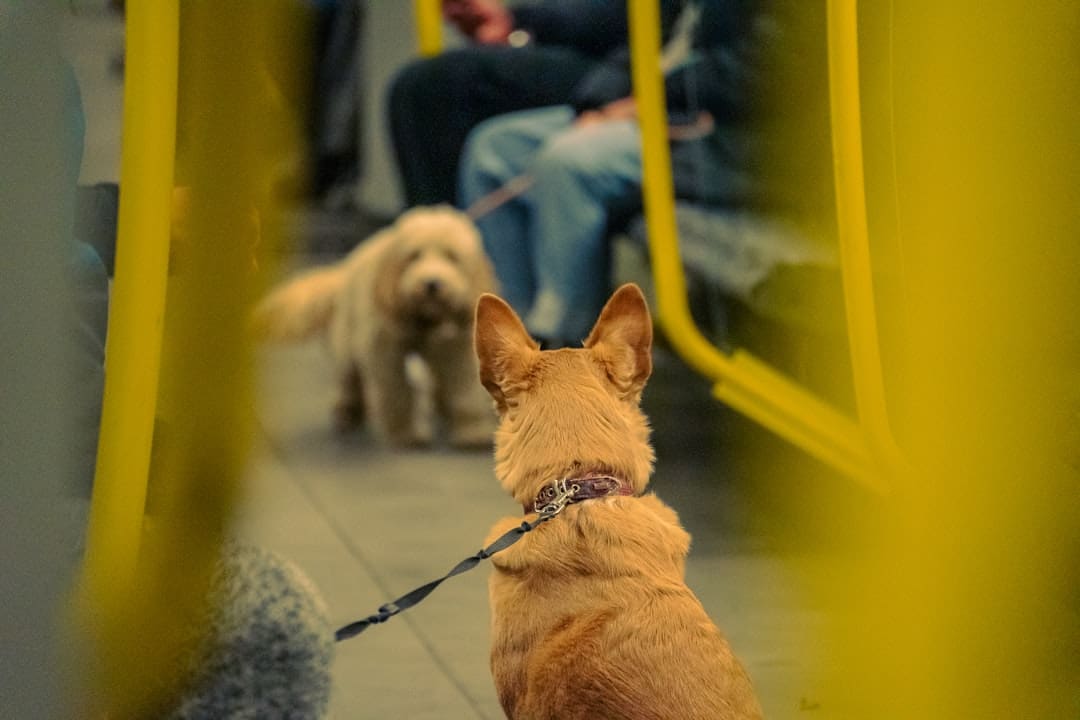
Business owners who violate ADA service dog regulations face significant penalties. The Department of Justice can impose fines up to $75,000 for first violations and $150,000 for subsequent violations. Private lawsuits can result in additional damages and legal fees.
Movie Theater Access Rights
Movie theaters must accommodate service dogs without restrictions on seating location. Handlers can choose any available seat, including premium locations like recliners or balcony sections. Theaters cannot segregate service dog handlers to specific "pet-friendly" areas.
The handler controls where the service dog positions during the movie. Most service dogs lie quietly at their handler's feet or beside the seat. Large service dogs may need aisle seats for adequate space, and theaters must accommodate this request when possible.
Theaters cannot charge cleaning fees or pet deposits for service dogs. These animals are working medical equipment, not pets. Any additional fees based on the service dog's presence violate ADA regulations and can result in discrimination complaints.
Staff training is crucial for smooth movie theater access. Employees should understand that service dogs are allowed in all seating areas and cannot be excluded based on size, breed, or perceived disruption concerns. Proper service dog screening helps handlers prepare for these interactions.
Seating Accommodations and Space Requirements
Service dogs need adequate floor space to lie down comfortably without blocking aisles or emergency exits. Venues must provide reasonable accommodations for this requirement, which may include aisle seating or companion seats when available.
Wheelchair accessible seating areas often provide the best space for large service dogs. These sections typically have more floor space and easier access routes. Handlers without wheelchairs can also request these seats when needed for their service dog.
Some venues offer "companion seats" that can be removed to create floor space. Theaters and concert halls should make these accommodations available upon request. The venue cannot charge extra fees for removing seats to accommodate a service dog.
Emergency evacuation procedures must account for service dog handlers. Venue staff should know how to assist handlers with service dogs during emergencies without separating the team. The service dog and handler must evacuate together as a unit.
Museum and Cultural Venue Guidelines
Museums present unique challenges for service dog access due to crowded exhibits, delicate artifacts, and varying floor surfaces. The ADA still requires full access for service dog teams. Museums cannot restrict access based on concerns about artwork or crowd control.
Service dogs can navigate museum galleries, special exhibitions, and interactive displays alongside their handlers. The dog must remain under control and cannot touch exhibits or disturb other visitors. Well-trained service dogs naturally avoid these behaviors through their professional training.
Audio tours and guided tours must accommodate service dog handlers. Museums cannot require handlers to join separate "pet-friendly" tours or exclude them from standard programming. The service dog accompanies the handler on all museum experiences.
Educational programs and workshops fall under ADA coverage when offered to the public. Museums hosting classes, lectures, or hands-on activities must allow service dogs. This includes children's programs, adult education, and special events.
At TheraPetic® Healthcare Provider Group, our nonprofit mission includes ensuring equal access to cultural and educational opportunities for individuals who benefit from service dog partnerships. These experiences enrich lives and support therapeutic outcomes.
Managing Noise and Environmental Challenges
Entertainment venues often feature loud sounds, flashing lights, and crowded conditions that can challenge service dogs. Proper preparation and training help teams navigate these environments successfully. Handlers should assess their service dog's comfort level with various stimuli.
Movie theaters with surround sound systems create intense audio environments. Service dogs trained for these settings learn to remain calm during loud action sequences, sudden sound effects, and dramatic music. Gradual exposure training builds this tolerance over time.
Concert halls and live performance venues present additional challenges with audience reactions, applause, and stage effects. Service dogs must maintain focus on their handler despite these distractions. Professional training programs address these specific scenarios.
Some handlers use ear protection for their service dogs in extremely loud venues. This accommodation helps protect the dog's hearing while maintaining their ability to perform essential tasks. Venues should allow these protective measures without questioning their necessity.
Handler Preparation Checklist
Successful entertainment venue visits require advance planning and preparation. Handlers should research venue layouts, accessibility features, and policies before attending events. This preparation prevents access issues and ensures enjoyable experiences.
Contact the venue ahead of time to discuss seating accommodations and accessibility needs. While advance notice isn't legally required, this communication helps staff prepare and reduces potential conflicts. Most venues appreciate the opportunity to ensure proper accommodations.
Bring essential supplies including waste cleanup bags, water bowl, and any necessary documentation. While venues cannot demand certification papers, having them available can resolve misunderstandings quickly. Focus on factual information about service dog regulations.
Plan bathroom breaks and exercise opportunities before entering the venue. Service dogs should have opportunities to relieve themselves and stretch before long events. Many venues have outdoor areas suitable for these needs.
Consider your service dog's individual needs and limitations. Some dogs handle certain environments better than others. Honest assessment of your team's capabilities ensures positive experiences and maintains public access for all service dog handlers.
Venue Staff Training and Obligations
Entertainment venues must train staff on ADA service dog regulations and proper interaction protocols. Employees should understand the difference between service dogs, emotional support animals, and pets. This knowledge prevents discrimination and ensures legal compliance.
Security personnel need specific training on service dog identification and access rights. They cannot demand documentation, require special tags, or exclude service dogs based on breed or size restrictions. Security must allow service dogs through metal detectors and screening processes with their handlers.
Box office and customer service staff should understand ticketing accommodations for service dog handlers. They can explain seating options and accessibility features without making assumptions about the handler's needs. Professional, respectful communication builds positive relationships.
Management must establish clear policies supporting ADA compliance. Written procedures help staff respond consistently to service dog access requests. Regular training updates ensure employees stay current with federal regulations and best practices.
Venue modifications may be necessary to improve accessibility. This could include adjusting seating configurations, improving lighting in walkways, or updating evacuation procedures. Reasonable modifications support equal access for all patrons.
Common Violations and How to Address Them
Many entertainment venues unknowingly violate ADA regulations regarding service dogs. Common violations include charging pet fees, restricting seating locations, demanding documentation, or prohibiting access to certain areas. Handlers should understand their rights and how to address these situations.
When faced with access denial, remain calm and educate staff about federal service dog regulations. Reference the Department of Justice ADA guidelines and explain the two permitted questions venues can ask. Most issues resolve through respectful education.
Document violations with photos, witness information, and staff names when possible. This evidence supports formal complaints if necessary. The Department of Justice investigates ADA violations and can impose significant penalties on non-compliant businesses.
File complaints through multiple channels for serious violations. Contact the venue management, local disability rights organizations, and the Department of Justice ADA complaint process. These actions help prevent future discrimination against service dog handlers.
Know when to involve legal assistance for persistent access problems. Disability rights attorneys specialize in ADA violations and can pursue legal remedies. Education and cooperation often resolve issues more effectively than litigation.
Support businesses that demonstrate excellent service dog accommodation practices. Positive feedback and repeat patronage encourage continued compliance and set examples for other venues. Recognition helps build a more accessible entertainment landscape.
Conclusion
Service dogs in entertainment venues represent both opportunities for inclusion and challenges requiring preparation. Understanding ADA requirements, venue obligations, and practical considerations ensures successful access to movies, museums, and cultural experiences. Both handlers and businesses benefit from education and cooperation in creating accessible entertainment environments.
Proper preparation, staff training, and mutual respect create positive experiences for everyone involved. Service dog handlers gain access to enriching entertainment and cultural opportunities while venues build reputations as inclusive, welcoming spaces for all patrons.
Ready to learn more about service dog public access rights and training? Visit go.mypsd.org to explore our comprehensive resources and connect with Licensed Clinical Doctors who understand the therapeutic benefits of service dog partnerships. Contact us at help@mypsd.org or (800) 851-4390 for personalized guidance.
Written By
Ryan Gaughan, BA, CSDT #6202 — executive Director
TheraPetic®® healthcare Provider Group • About • LinkedIn • ryanjgaughan.com
Clinically Reviewed By
Dr. Patrick Fisher, PhD, NCC, BC-TMH, C-AAIS — founder & clinical Director • the Service Animal Expert™